


Infrastructure Cost Optimization: Modern Strategies for Maximum ROI
The Cost Optimization Imperative
In an era where infrastructure spending represents a significant portion of technology budgets, cost optimization isn't optional—it's essential for competitive survival. Organizations that master infrastructure economics gain strategic advantages that compound over time, while those that overspend on infrastructure face mounting pressure on margins and innovation capacity.
Key Principle
Effective cost optimization isn't about minimizing spending—it's about maximizing value per dollar invested while maintaining performance, reliability, and strategic flexibility.
Understanding Total Cost of Ownership
The first step toward optimization requires honest accounting of total cost of ownership. Cloud infrastructure appears inexpensive initially, but comprehensive TCO analysis must include ongoing operational costs, data transfer fees, premium charges for guaranteed performance, complexity costs from managing distributed systems, and the strategic cost of vendor dependencies.
Conversely, owned infrastructure requires upfront capital investment but delivers predictable ongoing costs limited primarily to power and connectivity. For stable workloads with consistent resource requirements, owned infrastructure typically delivers superior long-term economics.
The Hybrid Optimization Strategy
Modern cost optimization doesn't mean choosing exclusively between cloud and owned infrastructure—it means strategically deploying each where it delivers optimal economics. Core, predictable workloads typically belong on owned infrastructure. Variable, experimental, or geographically distributed workloads often benefit from cloud deployment.
Real-World Economics
Organizations implementing strategic hybrid architectures commonly report 40-70% cost reductions compared to cloud-only approaches, while maintaining or improving performance and reliability.
Micro-Infrastructure Revolution
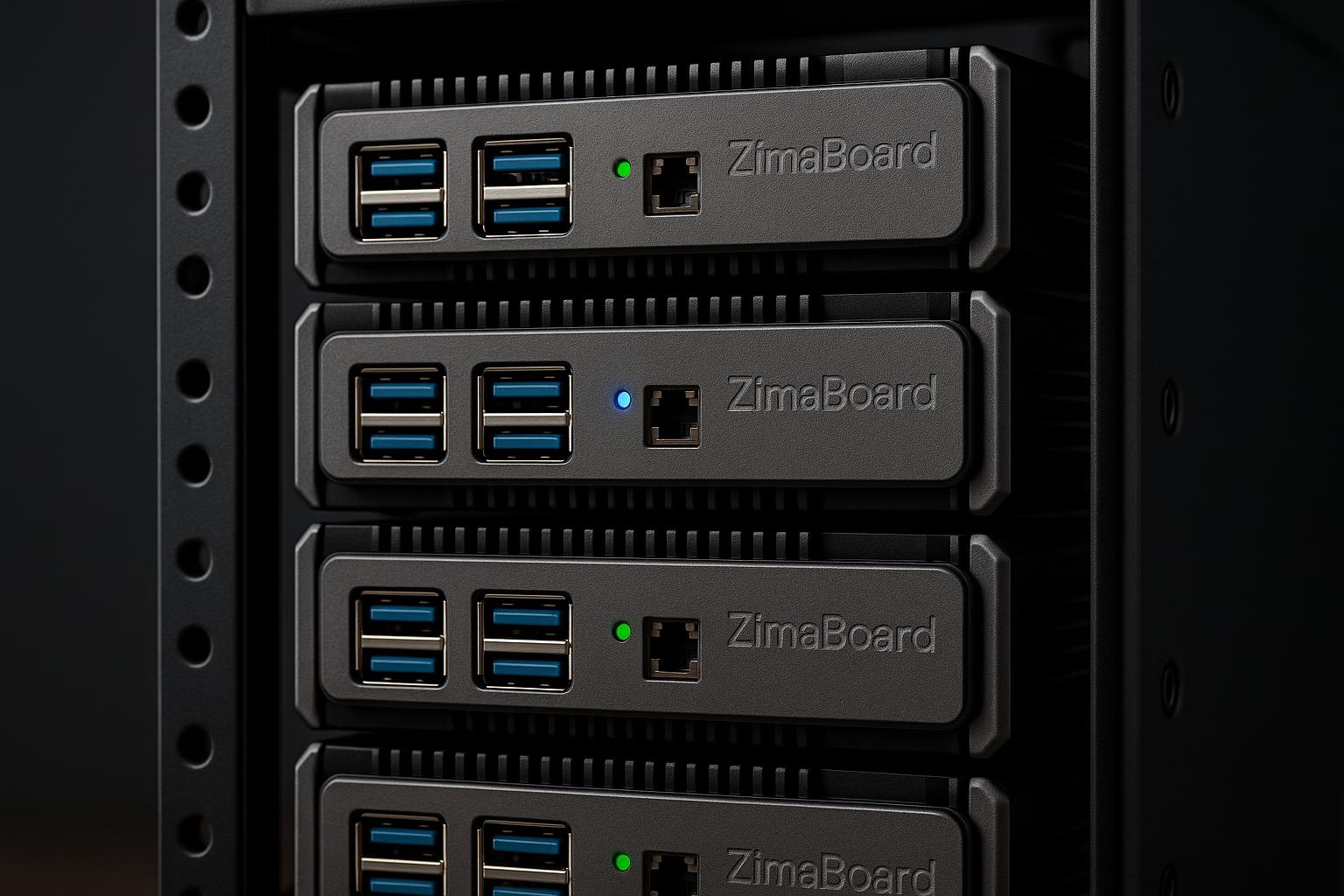
New hardware options are transforming infrastructure economics. Compact, power-efficient systems like ZimaBoard clusters deliver enterprise-grade capabilities at dramatically reduced capital and operational costs. These micro-servers consume minimal power, require minimal cooling, and fit in standard office environments—eliminating traditional data center requirements.
A ten-node ZimaBoard cluster can replace cloud infrastructure costing $900+ monthly for a one-time investment under $3,000, with ongoing costs limited to approximately $75 monthly for power. The eight-month payback period means every subsequent month represents pure savings.
Performance Per Dollar
Cost optimization must account for performance. Cloud burstable instances appear inexpensive but deliver inconsistent performance precisely when demand peaks. Dedicated hardware provides consistent, predictable performance without throttling—meaning you can accomplish the same work with fewer resources.
The Performance Premium
Matching the consistent performance of dedicated hardware in cloud environments often requires premium instance types costing 3-5x more than burstable alternatives—fundamentally changing the economic equation.
Strategic Flexibility Value
Owned infrastructure provides strategic flexibility that's difficult to quantify but critically valuable. You're not locked into a vendor's pricing, roadmap, or service limitations. You maintain the freedom to adapt as technology evolves and business requirements change.
This flexibility becomes especially valuable as organizations scale. Cloud costs scale linearly or worse with usage, while owned infrastructure costs remain largely fixed—meaning the economic advantage compounds as you grow.
Implementation Roadmap
Implementing cost optimization requires systematic analysis. Inventory your current workloads and their resource requirements. Calculate honest total cost of ownership for both cloud and owned alternatives. Identify core, predictable workloads suitable for owned infrastructure. Develop a migration plan that minimizes risk while maximizing economic benefit.
The Bottom Line
Organizations that master infrastructure cost optimization gain sustainable competitive advantages through improved margins, increased innovation capacity, and strategic flexibility.
Part of our Infrastructure Insights series exploring modern approaches to cloud economics and infrastructure sovereignty.