
The Solution: The Wise Cluster
The solution is to replace all 10 rental instances with a single, resilient system: a Proxmox Cluster built from 10 ZimaBoard 2 servers.
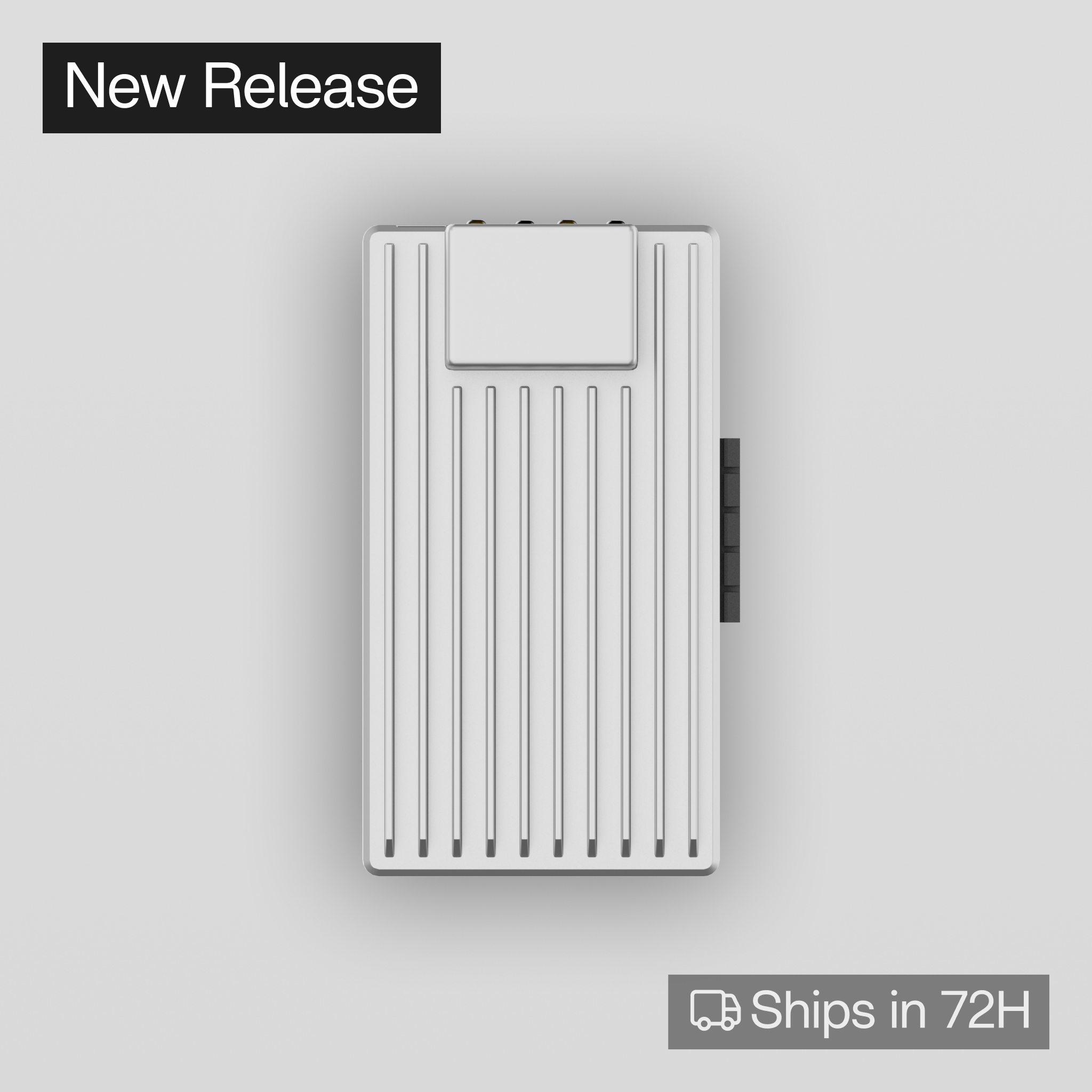
ZimaBoard 2 Single Board Server
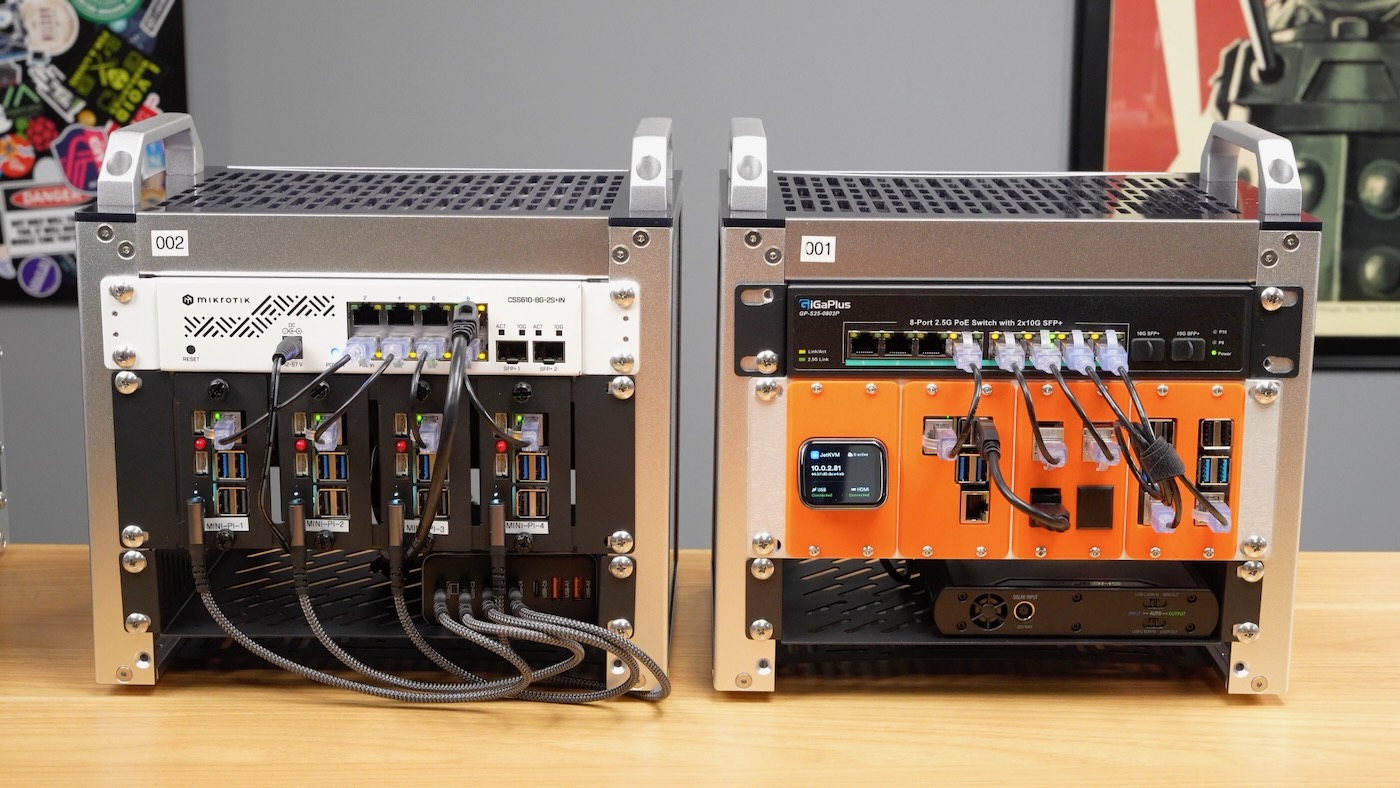
10-Node Micro Server Cluster Configuration
Instead of one giant, expensive truck that carries everything, we are buying a fleet of 10 small, smart delivery vans for $2,900. If one van gets a flat tire, the other 9 simply pick up its packages. Nobody even notices. This is High Availability at a fraction of the cost of a traditional server.
Implementation Timeline
Deployment Timeline
From planning to production in 13 weeks
📅 Total Implementation Time: 13 Weeks
Parallel workstreams can reduce timeline to 10-11 weeks for enterprise deployments
The Micro Server Advantage: Brains over Budget
The CTO choice of a 10-node micro server cluster is not just a cost-saving trick; it is a strategic move that copies the exact architecture of Big Corp cloud providers, using brains (smart architecture) instead of budget (massive, expensive hardware).
Buy one giant, $20,000 server using a powerful Epyc or Xeon chip. This creates a massive Single Point of Failure. If that server fails, the entire company goes offline. The solution? Buy a second $20,000 server for redundancy. This is a game of budget, not brains.
We treat cheap, individual servers as disposable, just like Google and Amazon do. If one of the 10 ZimaBoards fails, the Proxmox cluster instantly and automatically moves its workload to the other 9 nodes. The system heals itself with no downtime.
Future-Proofing & The Small Guy Advantage
This architecture is fundamentally future-proof. It allows us to create a heterogeneous cluster—a smart mix of different server types working together.
- Heavy Lifting: The powerful x86-based ZimaBoards will run our demanding customer-facing services: the WiseWare virtual desktops, the CRMs, and the Axigen/Nextcloud databases.
- Lighter Lifting: We can then add ultra-efficient ARM-based micro servers (like Raspberry Pis) to the same cluster to handle lighter loads. These low-wage, high-value workers can run basic web servers, network-wide ad-blocking, internal monitoring dashboards, and DNS services for a negligible cost.
This is how the small guy rivals the giants. By combining open-source software (Proxmox) with a right-tool-for-the-job hardware cluster, we build a system that is more resilient, more efficient, and scales at a near-zero cost for basic functions. It is a victory of brainpower over brute-force spending.