
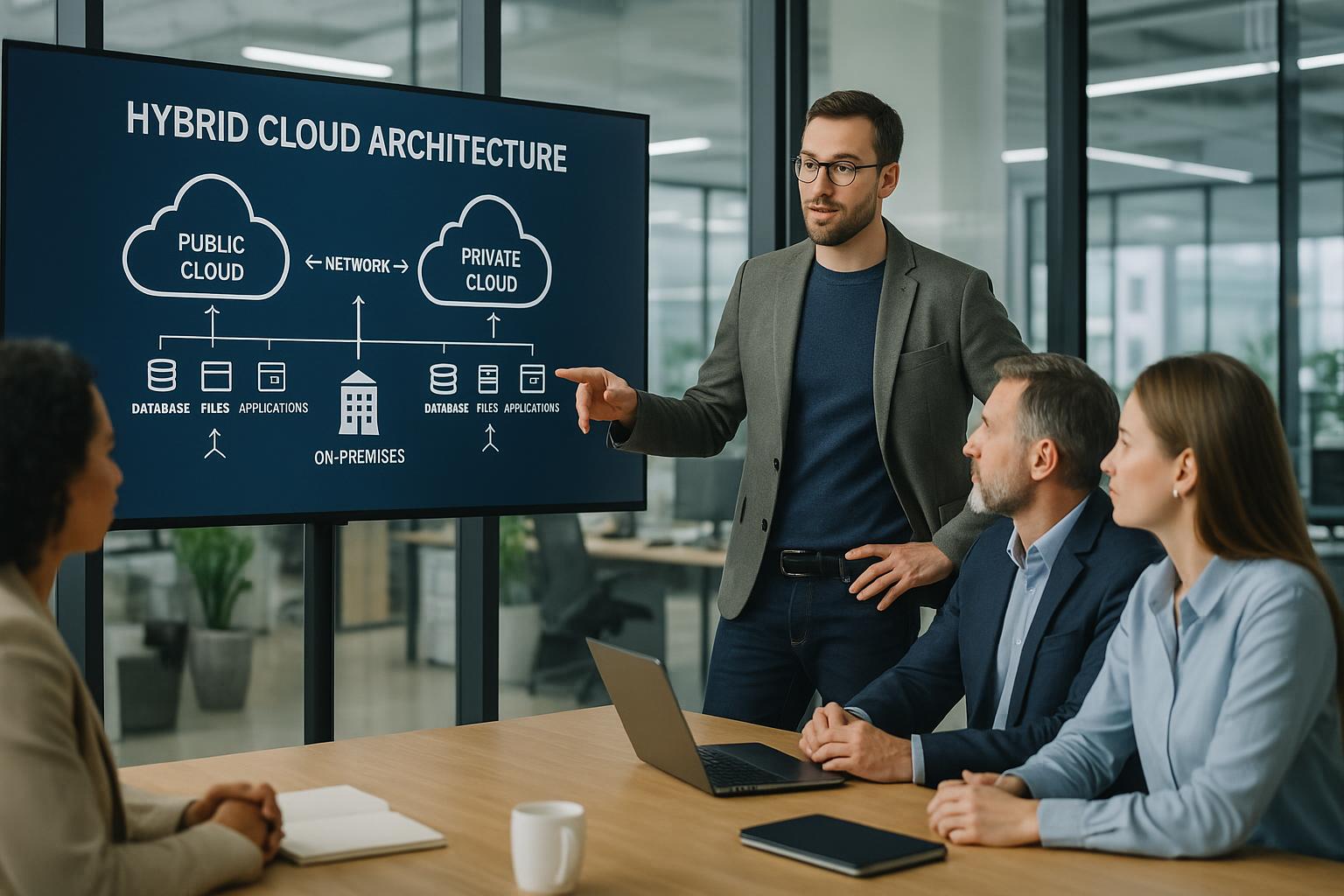


Hybrid Cloud Architecture: How Forward-Thinking CTOs Are Redefining Infrastructure
The Evolution of Cloud Strategy
The narrative around cloud computing is shifting dramatically. While the past decade celebrated the migration to public cloud as an inevitable destiny, forward-thinking CTOs are now charting a more nuanced course. They're not abandoning cloud entirely—they're redefining how and when to use it through sophisticated hybrid architectures that prioritize infrastructure sovereignty.
Why CTOs Are Rethinking Pure Cloud
The initial promise of cloud computing centered on eliminating capital expenditure, infinite scalability, and operational simplicity. Reality has proven more complex. As workloads scale and mature, many organizations discover that operational expenses can exceed what dedicated infrastructure would cost, while vendor dependencies create strategic vulnerabilities.
The Hybrid Advantage
Hybrid architecture allows organizations to maintain control over core infrastructure while strategically leveraging cloud services for specific use cases—combining the best of both worlds without the lock-in risks.
Strategic Infrastructure Ownership
Leading CTOs are investing in owned infrastructure for predictable, high-volume workloads while reserving cloud resources for variable demand, disaster recovery, and specialized services. This approach delivers cost predictability, performance consistency, and strategic flexibility simultaneously.
The key insight driving this shift: infrastructure isn't just a cost center—it's a strategic asset. Organizations that own their core infrastructure maintain negotiating leverage with cloud providers, avoid vendor lock-in, and retain the flexibility to adapt as technology and business requirements evolve.
Implementation Patterns
Successful hybrid implementations typically follow a pattern: identify core, predictable workloads that benefit from dedicated hardware; establish robust connectivity between on-premises and cloud resources; implement consistent management and security policies across environments; and maintain the flexibility to shift workloads based on changing economics and requirements.
Real-World Results
Organizations implementing hybrid strategies report 40-60% cost reductions on core workloads while maintaining or improving performance and reliability metrics.
The Future is Hybrid
The cutting-edge approach isn't cloud-first or cloud-only—it's cloud-smart. CTOs are building architectures that leverage owned infrastructure for core operations while strategically utilizing cloud services where they provide genuine advantages. This balanced approach delivers financial efficiency, operational control, and strategic flexibility.
Part of our Infrastructure Insights series exploring modern approaches to cloud economics and infrastructure sovereignty.