


Infrastructure Sovereignty: Why Network Engineers Are Choosing Ownership Over Rental
The Engineer's Perspective
Network engineers and infrastructure professionals are increasingly vocal about a fundamental shift in their approach to infrastructure. After years of migrating workloads to public cloud, many are now advocating for a return to owned infrastructure—not out of nostalgia, but based on hard-earned technical and economic insights.
Control and Visibility
When you own your infrastructure, you control every aspect of configuration, performance tuning, and troubleshooting. Cloud abstractions can simplify operations, but they also obscure critical details. Network engineers consistently report that owned infrastructure provides superior visibility into performance characteristics, network topology, and resource utilization.
Technical Sovereignty
Owned infrastructure means you're not dependent on a vendor's roadmap, pricing changes, or service limitations. You maintain complete control over your technical destiny.
Performance Consistency
One of the most common complaints about cloud infrastructure centers on "noisy neighbor" problems and performance variability. Burstable instances and shared resources can deliver inconsistent performance precisely when you need reliability most. Dedicated hardware eliminates these concerns entirely.
Network engineers appreciate that owned infrastructure delivers predictable, consistent performance. There's no throttling during peak usage, no mysterious slowdowns, and no competition for resources with other tenants.
Economic Reality
While cloud promises to eliminate capital expenditure, network engineers understand that operational expenses compound over time. For stable, predictable workloads, the total cost of ownership for dedicated hardware often proves significantly lower than equivalent cloud resources—especially when you factor in the performance premium required to match dedicated hardware capabilities.
Modern Micro-Infrastructure
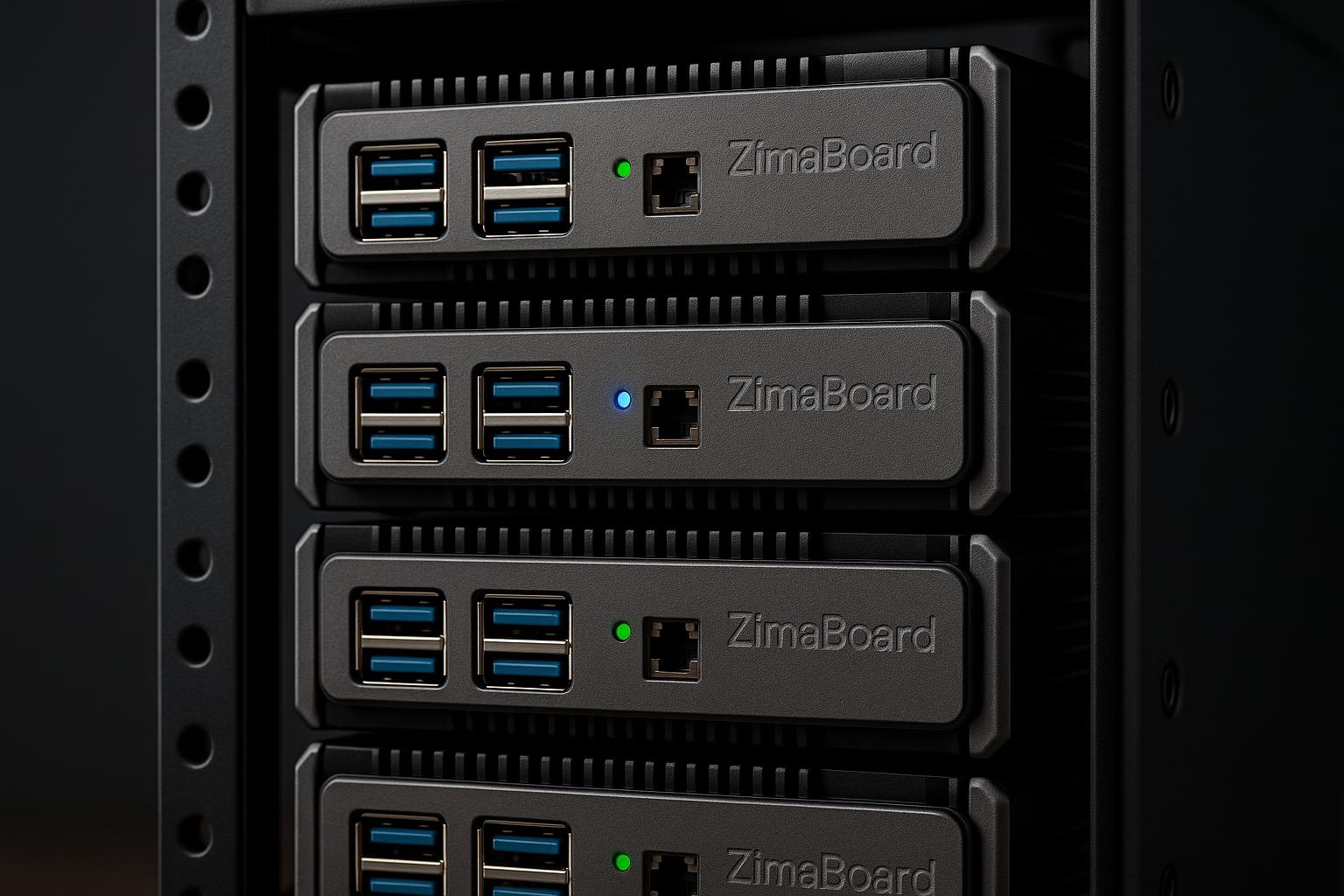
New hardware options like ZimaBoard clusters make owned infrastructure more accessible than ever. These compact, power-efficient systems deliver enterprise-grade capabilities at a fraction of traditional server costs, making infrastructure ownership practical even for smaller organizations and specific use cases.
The Professional Consensus
Network engineers aren't rejecting cloud entirely—they're advocating for strategic use of owned infrastructure where it delivers superior technical and economic outcomes.
Part of our Infrastructure Insights series exploring modern approaches to cloud economics and infrastructure sovereignty.